Evaluating Business Icons, Office Symbols, and Finance Graphics for Professional Design Projects
In the landscape of modern graphic design, the demand for versatile, high-quality visual assets continues to grow. Among the most sought-after resources are collections centered on Business Icons, Office Symbols, and Finance themes. These illustrations serve as the visual shorthand for corporate communication, allowing designers to convey complex ideas about commerce, administration, and economic strategy instantly. However, selecting the right asset goes beyond simply finding an image that looks appropriate; it requires a careful evaluation of file formats, scalability, licensing, and adaptability across various media. This analysis explores the distinct characteristics of these design elements, compares them with alternative visual styles, and helps you determine when this specific type of illustration is the optimal choice for your project.
Defining the Scope: What Makes These Illustrations Distinct?
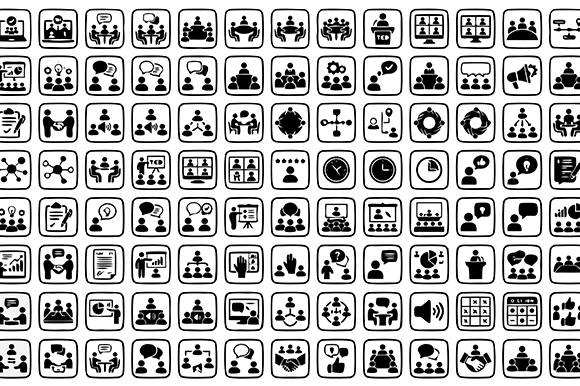
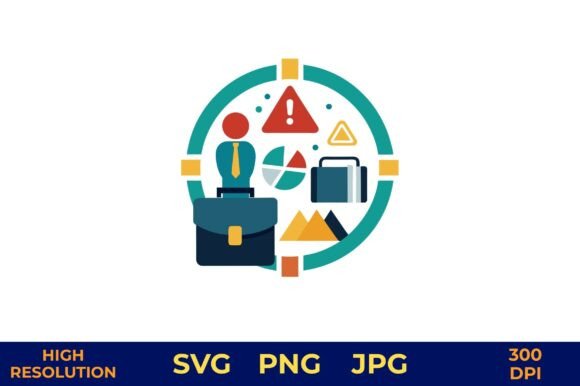
When we refer to Business Icons, Office Symbols, and Finance illustrations, we are typically discussing a curated set of vector or high-resolution raster graphics that depict standard corporate imagery. This includes representations of currency, charts, office equipment like printers and desks, handshake agreements, briefcases, and digital connectivity symbols. The distinct value of a well-crafted collection in this category lies in its conceptual clarity. Unlike abstract art or photography, these icons are designed to be universally understood, transcending language barriers to communicate specific business functions.
The technical foundation of these assets is equally important. High-quality packages in this niche usually include both EPS (Encapsulated PostScript) and JPG (Joint Photographic Experts Group) files. The inclusion of EPS files is critical for professional workflows because vectors are resolution-independent. This means the graphic can be scaled from a small icon on a mobile app to a massive banner on a building facade without losing edge definition or becoming pixelated. Conversely, the included high-resolution JPGs offer immediate usability for web-based projects where vector editing software is not available or necessary. This dual-format approach ensures that the asset remains functional regardless of the final output medium.
Comparative Analysis: Vector Icons vs. Photography and Custom Illustration
To make an informed decision, it is essential to compare Business Icons, Office Symbols, and Finance packs against other common visual resources. The primary alternatives usually fall into three categories: stock photography, custom hand-drawn illustrations, and 3D rendered assets.
Stock Photography: While photographs offer realism and human emotion, they often struggle with conceptual abstraction. It is difficult to photograph "financial growth" or "data security" without resorting to clichés. Furthermore, photos can clash with brand color palettes unless heavily edited. In contrast, flat or line-style business icons provide a clean, consistent aesthetic that integrates seamlessly with typography and brand colors. They are generally more effective for infographics, process flows, and UI design where clarity trumps realism.
Custom Illustration: Commissioning a designer to create unique icons offers total brand differentiation but comes with significant tradeoffs in cost and time. For small businesses, startups, or rapid prototyping projects, the budget required for custom work may not be justifiable. Pre-made collections of office and finance symbols offer a middle ground: they are professionally designed and cohesive, yet affordable and immediately available. The limitation here is uniqueness; since these assets are sold to multiple users, there is a risk of seeing similar icons elsewhere. However, skilled designers can modify the color, stroke weight, or composition of EPS files to create a semi-custom look.
3D Renders: Three-dimensional icons are trendy and add depth, but they can increase file size significantly and may not render well in print environments that require strict CMYK color separation. Flat or semi-flat business icons remain the industry standard for versatility, performing equally well in low-bandwidth web environments and high-fidelity print runs.
Practical Applications and Versatility Across Media
The true test of any design asset is its adaptability. A robust set of Business Icons, Office Symbols, and Finance graphics should function effectively across a diverse range of applications. The utility of these files extends far beyond simple website decoration.
- Print Collateral: For flyers, wall posters, and banners, the high-resolution nature of these files ensures crisp printing. The scalable vector format allows designers to adjust the layout for anything from a business card to a trade show booth backdrop without re-rendering the image.
- Packaging and Product Design: When applied to packaging, these symbols can quickly communicate product features or industry relevance. For instance, a finance app box might use a shield icon to represent security, derived directly from the symbol set.
- Digital and Social Media: In the realm of social media posts, story designs, and backgrounds, the JPG versions allow for rapid deployment. Consistency is key in branding; using a unified set of icons for Instagram stories or LinkedIn carousels creates a professional, cohesive feed.
- Stationery and Organization: Notebook covers, calendars, and planners benefit greatly from thematic icons. A financial planner might use specific currency or chart symbols to denote different sections, enhancing the user experience through visual cues.
- Craft and DIY Projects: Interestingly, these digital assets have found a home in the crafting community. Scrapbooking, card making, and even wrapping paper designs often incorporate digital prints. The ability to print high-resolution JPGs at home or at a local shop makes these files accessible for personal creative projects.
Decision Factors: When to Choose This Style
Selecting the right visual resource depends heavily on the specific goals of your project. Business Icons, Office Symbols, and Finance illustrations are the ideal choice when your primary objective is clarity and efficiency. If you are designing an annual report, a pitch deck, or an instructional manual where the audience needs to grasp information quickly, these standardized symbols reduce cognitive load.
They are also the superior option for projects requiring strict brand consistency across multiple touchpoints. Because the icons in a single pack share the same stroke width, corner radius, and stylistic approach, they ensure that your website, mobile app, and printed brochures feel like part of the same ecosystem.
However, there are scenarios where this approach may not be sufficient. If your brand identity relies heavily on emotional storytelling, nostalgia, or a highly artistic, avant-garde aesthetic, generic business icons might feel too sterile or corporate. In such cases, a more illustrative, textured, or photographic approach might better convey the desired mood. Additionally, if your project requires depicting specific, proprietary technology or unique internal processes that do not have a universal symbol, custom illustration remains the necessary path.
Technical Considerations for Implementation
When integrating these assets into your workflow, understanding the file details is paramount. The EPS format is compatible with industry-standard vector editors like Adobe Illustrator, CorelDRAW, and Inkscape. This format allows you to ungroup elements, change colors to match your hex codes exactly, and modify paths. It is the preferred format for any project that involves professional printing or large-scale signage.
The JPG files, provided in high resolution, are optimized for immediate use in programs like Microsoft Word, PowerPoint, Canva, or Photoshop. They are ideal for users who do not have access to vector editing tools or who need to assemble documents quickly. It is important to verify the DPI (dots per inch) of the JPGs; for print purposes, ensure they are at least 300 DPI to avoid blurriness.
Final Thoughts on Resource Selection
In conclusion, investing in a comprehensive collection of Business Icons, Office Symbols, and Finance graphics offers a pragmatic solution for a wide array of design challenges. The balance between the scalability of vector files and the convenience of high-resolution raster images makes these packs a versatile addition to any creative toolkit. While they may not replace the need for custom art in every high-stakes branding scenario, they provide a reliable, cost-effective foundation for communicating professional concepts clearly and effectively.
By evaluating your specific needs regarding medium, audience, and brand tone, you can determine whether this standardized approach aligns with your goals. For most professionals looking to streamline their design process while maintaining a polished, corporate aesthetic, these illustrated symbols remain an indispensable resource. Whether you are creating a simple invitation, a complex data visualization, or a decorative wallpaper, the right set of icons can elevate the final product from functional to exceptional.